
For many families, the question of “What’s for dinner?” arrives every day with surprising weight. After long work hours, school runs, homework, and general life admin, the idea of planning, shopping for, and cooking meals can feel exhausting before it even begins. And yet, mealtimes matter. They’re one of the few points in the day where families pause, connect, and refuel together.
Meal planning isn’t about perfection or gourmet cooking. For busy families, it’s about reducing stress, saving time, and creating routines that support everyone’s wellbeing. When dinners are planned with real life in mind — energy levels, budgets, and access to familiar supermarkets — they become far more sustainable.
This guide is designed to help UK families approach meal planning in a realistic, flexible way. It focuses on simple weekly dinner ideas using everyday supermarket finds, while keeping space for variety, balance, and enjoyment.
Why Meal Planning Can Feel So Overwhelming
Many parents start meal planning with good intentions, only to feel overwhelmed by the sheer number of decisions involved. Planning seven dinners, accounting for everyone’s preferences, managing budgets, and avoiding food waste can feel like a full-time job in itself.
Decision fatigue plays a big role here. By the end of the day, choosing meals can feel harder than it should. This often leads to last-minute supermarket trips, takeaway orders, or cooking the same few meals on repeat.
Understanding that this overwhelm is common — and not a personal failing — can help families approach meal planning with more compassion and less pressure.
The Real Benefits of Weekly Meal Planning
When meal planning works, it quietly supports family life in powerful ways. Knowing what’s for dinner reduces daily stress and frees up mental space for other priorities.
Weekly planning often saves money by encouraging more intentional shopping and reducing impulse buys. It also cuts down on food waste, as ingredients are bought with specific meals in mind.
For families, meal planning can create a sense of rhythm. Children know what to expect, parents feel more prepared, and evenings tend to run more smoothly.
Keeping Meal Planning Realistic for Busy Lives
The most sustainable meal plans are built around real schedules, not ideal ones. Busy families benefit from plans that include quick meals, leftovers, and flexibility.
Not every dinner needs to be cooked from scratch. Using shortcuts — pre-chopped vegetables, ready-cooked proteins, or freezer staples — can make a big difference on busy days.
It’s also helpful to plan with energy levels in mind. More involved meals may suit quieter days, while simple, low-effort options work better midweek.
Starting with a Simple Weekly Structure
Many families find it easier to plan dinners around a loose structure rather than starting from scratch each week. For example, one pasta night, one curry night, one traybake, one leftovers night, and one freezer meal.
This kind of framework reduces decision-making while still allowing for variety. Meals can rotate week to week without needing to reinvent the plan.
A simple structure also makes shopping easier, as similar ingredients tend to be reused across meals.
Using UK Supermarkets to Your Advantage
UK supermarkets offer a wide range of affordable, family-friendly options that support quick and nutritious meals. Superstores like Tesco, Sainsbury’s, Asda, Aldi, and Lidl all stock reliable staples that work well for weekly planning.
Own-brand products often provide good value without sacrificing quality. Items like tinned tomatoes, pasta, rice, frozen vegetables, and jarred sauces form the backbone of many easy dinners.
Being familiar with your local supermarket’s layout and regular offers can help streamline shopping and reduce time spent browsing.
A Balanced Approach to Family Dinners
Balance doesn’t mean every meal needs to tick every nutritional box perfectly. Over a week, variety and moderation matter more than individual meals.
Including a mix of proteins, carbohydrates, vegetables, and fats across the week supports family nutrition without unnecessary stress. Some meals may be more vegetable-heavy, others more comfort-focused — both have a place.
Listening to your family’s preferences while gently introducing variety helps maintain harmony at the table.
Weekly Dinner Ideas Using Everyday Supermarket Finds
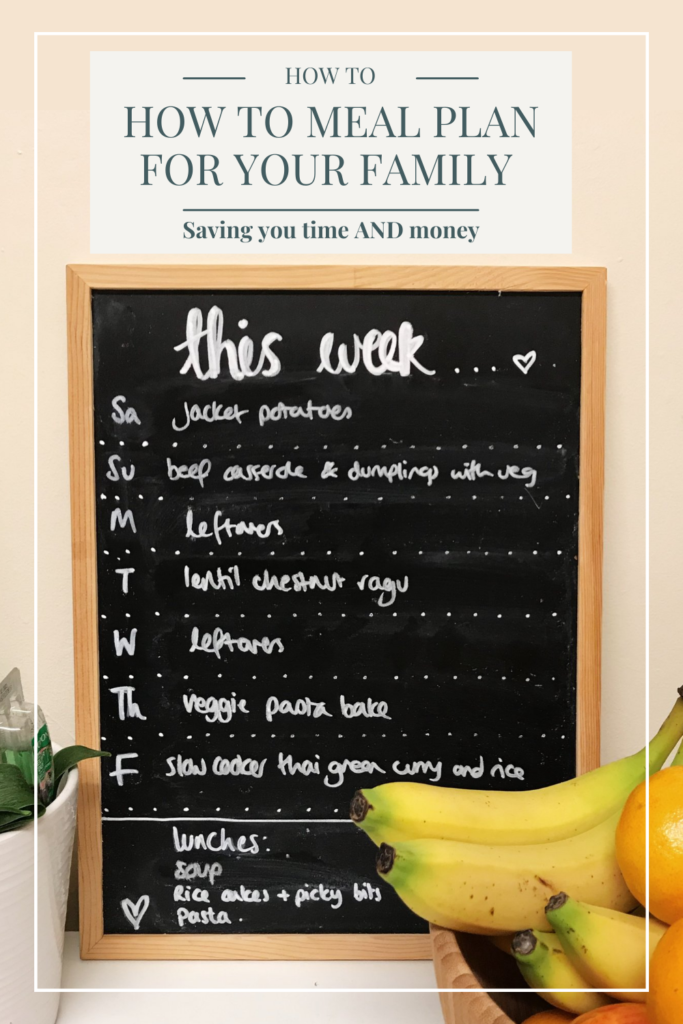
For a typical busy week, dinners that rely on familiar ingredients and simple methods work best. Below is an example of how families might build a week of dinners using easily available UK supermarket items.
One night might feature a pasta dish using dried pasta, a jar of tomato sauce, minced beef or lentils, and frozen vegetables. Another evening could be a traybake with chicken thighs, potatoes, and seasonal vegetables tossed with oil and herbs.
A midweek curry using a ready-made paste, tinned chickpeas, and spinach served with rice offers warmth and simplicity. Fish fingers or breaded fish fillets with oven chips and peas provide a quick, child-friendly option.
Towards the end of the week, a freezer-based meal or leftovers night gives everyone a break and reduces pressure.
The Role of Batch Cooking and Leftovers
Batch cooking can be a game-changer for busy families. Preparing larger portions once or twice a week creates ready-made dinners for later evenings.
Meals like chilli, bolognese, soups, and stews freeze well and can be repurposed in different ways. Leftover chilli might become jacket potato topping, while roast chicken can turn into wraps or fried rice.
Seeing leftovers as planned meals rather than afterthoughts helps reduce waste and saves time.
Making Dinners Child-Friendly Without Cooking Separately
Many parents fall into the habit of cooking separate meals for children, often out of convenience or concern about preferences. Over time, this can add to workload and stress.
Adjusting family meals slightly — keeping sauces mild, serving components separately, or offering familiar sides — often allows everyone to eat the same dinner.
Exposure to different foods without pressure helps children gradually expand their tastes, even if progress feels slow.
Planning for Busy Evenings and Late Finishes
Not all evenings allow time for cooking. Planning for these moments helps avoid last-minute stress.
Quick options like omelettes, wraps, stir-fries, or supermarket rotisserie chicken can be lifesavers. Keeping a few “emergency meals” in the freezer provides reassurance on particularly hectic days.
Acknowledging that some evenings will be about ease rather than ideal meals helps families stay flexible.
Involving the Family in Meal Planning
Meal planning doesn’t have to fall on one person alone. Involving partners and children, where appropriate, can spread the mental load.
Asking children to choose one meal a week gives them a sense of ownership and can reduce mealtime resistance. Older children may enjoy helping with shopping lists or simple prep tasks.
Shared planning often leads to better cooperation and less friction around food.
Shopping Smarter to Save Time and Money
A clear shopping list based on your meal plan helps prevent impulse purchases and forgotten items. Many families find online shopping or click-and-collect useful for saving time.
Sticking to familiar brands and staples reduces decision fatigue in-store. Watching for multibuy offers on non-perishables can also support budget-friendly planning.
Over time, families often develop a reliable core shopping list that makes weekly planning faster.
Managing Expectations Around Family Mealtimes
It’s easy to idealise family dinners as calm, connected moments. In reality, they can be noisy, messy, and unpredictable — especially with young children.
Letting go of perfection allows families to enjoy meals as they are. Some nights may involve rushed eating or distractions, and that’s okay.
What matters most is consistency and connection over time, not the atmosphere of any single meal.
Adapting Meal Plans When Life Changes
Even the best plans sometimes fall apart. Illness, schedule changes, or unexpected commitments can disrupt routines.
Building flexibility into meal planning helps families adapt without guilt. Swapping days, skipping meals, or ordering takeaway occasionally doesn’t undo the benefits of planning.
Seeing meal plans as guides rather than rules keeps them supportive rather than restrictive.
Finding Joy in Familiar Foods
Busy family life often calls for familiar, comforting meals. These foods carry memories, routines, and a sense of ease.
Revisiting well-loved dishes and making small variations can keep them interesting without adding complexity. Changing a sauce, adding a new vegetable, or trying a different spice blend can refresh old favourites.
Comfort and nourishment are just as important as novelty.
Supporting Yourself as the Meal Planner
Meal planning is often invisible labour. Acknowledging the effort involved can help parents feel less alone in carrying this responsibility.
Sharing tasks, simplifying plans, and using shortcuts are not signs of failure — they’re practical strategies for sustainability.
Being kind to yourself around food decisions sets the tone for the whole household.
A Sustainable Approach to Family Dinners
Meal planning doesn’t need to be elaborate to be effective. Small, consistent habits often have the biggest impact.
By focusing on realistic routines, accessible UK supermarket finds, and flexibility, families can create dinner plans that support wellbeing rather than add pressure.
Over time, meal planning becomes less about control and more about care — for yourself, your family, and the rhythm of everyday life.
Finding What Works for Your Family
Every family’s needs, tastes, and schedules are different. What matters most is finding an approach that fits your life, not someone else’s ideal.
Meal planning is a skill that evolves. Some weeks will feel smoother than others, and that’s part of the process.
With patience, flexibility, and a focus on ease, weekly dinners can become less of a daily question and more of a quiet support woven into family life.
Leave a Reply