
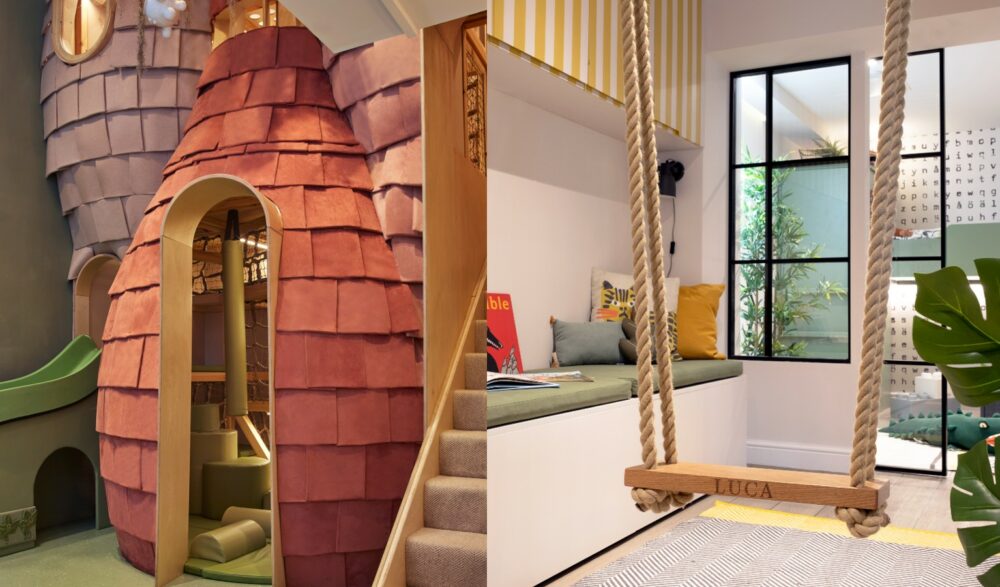
Creating a kid-friendly home is about far more than adding toys or childproof locks. It’s about shaping a space where children feel safe, supported, and free to explore, while parents feel calm, organised, and able to breathe. In UK homes — where space can be limited, layouts vary, and houses often carry character and quirks — this balance can feel especially important.
A home designed with children in mind doesn’t need to be perfect or overly controlled. Instead, it becomes a place that grows with your family, adapts to different stages, and gently supports everyday life. Thoughtful choices around safety, organisation, and décor can make a meaningful difference to how your home feels for everyone who lives in it.
Why a Kid-Friendly Home Matters
Children experience the world through their environment. The way a home is arranged, the freedom it allows, and the sense of safety it provides all shape how children move, learn, and feel.
A kid-friendly home supports independence without sacrificing security. It allows children to explore safely, make small choices, and feel confident in their surroundings. For parents, it reduces constant vigilance and stress, creating space to enjoy family life rather than manage it.
In UK homes, where rooms may be smaller or layouts less open, being intentional about how space is used becomes even more valuable. A well-considered environment can turn limitations into strengths.
Create a Safe Foundation First
Safety is often the starting point when making a home more child-friendly. This doesn’t mean eliminating every risk, but rather reducing hazards so children can move with confidence.
In UK houses, stairs are a common concern. Secure stair gates, non-slip surfaces, and good lighting can make a significant difference. Windows should have appropriate locks or restrictors, especially in older properties where designs may not meet modern standards.
Electrical safety, secure furniture, and safe storage of cleaning products are also key considerations. When safety measures are thoughtfully integrated, they fade into the background rather than dominating the space.
When to Begin Childproofing Your Home
Many parents begin childproofing once babies start to roll, crawl, or show curiosity about their surroundings. However, preparing earlier can help reduce stress later.
Childproofing doesn’t need to happen all at once. It often unfolds in stages, responding to your child’s development. What matters is staying observant and adjusting the environment as new abilities emerge.
Trust your instincts. If something feels unsafe or creates constant worry, it’s worth addressing — even if others suggest it’s too early.
Designing Safety Into Everyday Spaces
Safety works best when it blends naturally into daily life. In living rooms, securing heavy furniture to walls, choosing rounded edges, and keeping cords out of reach help create a calm, low-risk environment.
In kitchens, childproof latches, safe zones for hot appliances, and clear boundaries help children understand where they can and can’t go. Bathrooms benefit from non-slip mats, temperature regulators, and secure storage for medications.
Rather than creating “no-go” zones everywhere, many families find it helpful to design areas where children can safely explore without constant correction.
Organisation That Supports Children and Parents
Organisation plays a huge role in how a home feels. Clutter can quickly become overwhelming, especially with children, while thoughtful organisation creates a sense of ease and predictability.
In UK homes where storage may be limited, using vertical space, under-bed storage, and multi-functional furniture can be especially helpful. Clear systems — rather than hidden clutter — make it easier for everyone to find what they need.
When organisation is designed with children in mind, it encourages responsibility and independence rather than reliance on adults.
Creating Accessible Storage for Children
Children benefit from being able to reach and manage their own belongings. Low shelves, labelled boxes, and open storage allow children to choose activities and take part in tidying up.
This doesn’t mean everything must be on display. Rotating toys and books helps reduce overstimulation and keeps the environment feeling fresh. It also makes clean-up more manageable and less overwhelming.
Involving children in organising their space helps them feel a sense of ownership and respect for their home.
Supporting Calm Through Thoughtful Décor
Décor influences mood more than we often realise. While bright colours and patterns can be fun, too much visual stimulation can make it harder for children to regulate their emotions.
In many UK homes, natural light may be limited depending on layout and season. Using lighter colours, mirrors, and soft textures can help spaces feel brighter and more open.
Choosing décor that feels calm, flexible, and durable supports both play and rest. A kid-friendly home doesn’t need to look childish — it can feel warm, lived-in, and balanced.
Blending Child-Friendly and Adult Spaces
One of the biggest challenges for parents is creating a home that works for children without losing adult comfort or identity. This balance is possible with intentional choices.
Using neutral bases with small pops of colour, choosing furniture that can withstand wear, and creating shared family zones helps avoid dividing the home into “child” and “adult” areas.
When children feel welcome in shared spaces, they are more likely to respect them. When adults feel comfortable too, the home supports everyone’s wellbeing.
Support When Home Life Feels Overwhelming
Creating a kid-friendly home can feel daunting, especially when resources, time, or energy are limited. It’s important to remember that progress matters more than perfection.
If your home feels chaotic, start small. One drawer, one shelf, or one safety fix at a time can create momentum. Seeking inspiration from others can help, but comparison often creates unnecessary pressure.
A home that supports children does not need to look like a magazine. It needs to work for your real life.
Gentle Prompts to Guide Your Home Choices
Reflecting on a few questions can help you decide where to focus your energy.
Beginning With Safety
Where do I feel most anxious about my child’s safety?
What small change would bring the most peace of mind?
Organisation and Flow
Which areas feel most cluttered or stressful?
What storage solutions would actually be easy to maintain?
Supporting Independence
What could my child access on their own?
How can I encourage responsibility without pressure?
Creating Comfort
What spaces feel calm and welcoming already?
What small décor changes could support rest and connection?
Living in a Kid-Friendly Home Day to Day
Over time, a kid-friendly home becomes less about systems and more about rhythm. Children learn where things belong, how to move safely, and how to care for their environment.
As children grow, their needs change — and so will your home. What works for a toddler may not suit a school-aged child, and that’s okay. Flexibility is part of creating a supportive space.
Allowing your home to evolve alongside your family keeps it functional and meaningful.
Your Home Is a Place of Growth
Creating a kid-friendly home in the UK is not about controlling every detail. It is about creating a space where children can grow safely, parents can breathe, and family life can unfold with less friction.
When safety, organisation, and décor work together, they support more than convenience — they support connection. Your home becomes a place where children feel secure, capable, and valued, and where adults feel grounded and present.
There is no single right way to create a kid-friendly home. What matters most is intention, care, and the willingness to adapt. In doing so, you create not just a safer space, but a home that truly supports the people living within it.
Leave a Reply