Family rituals and traditions are the quiet threads that weave meaning into everyday life. They shape how children understand who they are, where they come from, and what it means to belong. In the UK, family life is influenced by long-standing customs, seasonal rhythms, and shared cultural moments. At the same time, many families carry traditions from other parts of the world — traditions shaped by ancestry, migration, and personal history.
Bringing these worlds together is not about choosing one over the other. It is about creating space for both. Combining UK customs with your own heritage allows you to honour the past while building something living and personal for the future. This process can be deeply rewarding, sometimes emotional, and often surprising in the most meaningful ways.
Why Family Rituals and Traditions Matter
Every family has rituals, whether they consciously create them or not. Some are planned and celebrated, while others quietly repeat themselves over time.
Rituals matter because they provide consistency and connection. They mark transitions, offer comfort during change, and create shared memories that children carry into adulthood. In uncertain or busy times, rituals can act as anchors, reminding family members of what stays the same even as life evolves.
When families blend UK customs with their own heritage, rituals become a bridge between generations. They tell children that their identity is layered and valued, that they don’t need to choose between cultures, and that belonging can exist in more than one place at once.
Find a Safe Space to Talk Things Through
Before creating or adapting family traditions, it can be helpful to talk openly with those closest to you. This might be a partner, parent, or elder who holds strong emotional ties to certain customs.
These conversations allow everyone’s feelings to be acknowledged. Some traditions carry joy and pride, while others may hold grief, loss, or complicated memories. Talking about these emotions openly can prevent misunderstandings and help families make thoughtful choices together.
It’s especially important to create space where no one feels pressured to let go of what matters to them. Combining traditions works best when it comes from curiosity and respect rather than obligation or compromise driven by guilt.
When to Begin Creating or Adapting Traditions
There is no perfect moment to begin shaping family rituals. For many families, this process begins naturally during major life transitions — moving countries, starting a family, or raising children in a different cultural environment than their parents experienced.
Some parents notice this shift when they begin thinking about holidays, school events, or milestones like birthdays and religious celebrations. Questions arise about what to keep, what to adapt, and what new traditions might emerge.
You don’t need to have everything figured out at once. Traditions grow over time. Starting small and allowing rituals to evolve alongside your family often leads to practices that feel more authentic and sustainable.
Honouring UK Customs Within Family Life
UK customs are often woven into the rhythm of everyday life rather than marked by grand ceremonies. Seasonal changes, school calendars, and shared national moments play a significant role in shaping family traditions.
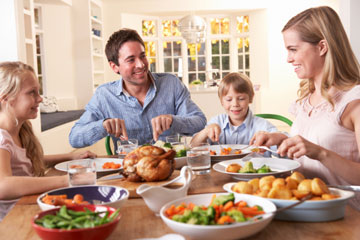
Simple rituals like Sunday roasts, evening walks, celebrating Bonfire Night, or marking seasonal holidays can become grounding family practices. These customs help children feel connected to the wider community and give them a sense of place.
Embracing UK traditions does not require losing your own cultural identity. Instead, these rituals can coexist alongside heritage traditions, creating a family culture that reflects where you live while honouring where you come from.
Keeping Your Heritage Alive at Home
For families with roots outside the UK, heritage traditions often carry deep emotional significance. They connect children to extended family, language, faith, and history.
Keeping heritage alive might involve cooking traditional foods, speaking your native language at home, telling stories from your childhood, or celebrating cultural festivals. These practices don’t need to be elaborate to be meaningful. Consistency and intention matter more than scale.
Children often learn identity through repetition. Seeing their heritage reflected in everyday life helps them understand that it is not something separate or occasional, but a valued part of who they are.
Navigating Differences Between Cultures
Blending UK customs with your heritage can sometimes highlight differences in values, expectations, or ways of celebrating. These moments can feel challenging, especially when extended family members hold strong opinions.
Rather than seeing differences as problems to solve, they can be viewed as opportunities for dialogue. Explaining the meaning behind certain rituals helps others understand why they matter to you, and listening to their perspectives fosters mutual respect.
It’s also okay to let go of traditions that no longer serve your family. Honour does not always mean preservation. Sometimes, creating new rituals that reflect your current reality is the most respectful choice of all.
Support When the Process Feels Emotional
Traditions are often tied to memory, loss, and belonging. For some families, blending cultures can bring up feelings of displacement, grief for what was left behind, or fear of losing connection to one’s roots.
If these emotions feel heavy, it may help to talk with someone who understands cultural identity and family dynamics. This might be a counsellor, community leader, or trusted friend.
Processing these feelings does not mean you’re doing something wrong. It means you care deeply about creating a meaningful and respectful family life.
Gentle Prompts to Help Shape Your Traditions
Reflecting on a few questions can help clarify which rituals feel most important and how you might adapt them.
Beginning With Meaning
Which traditions from your heritage feel essential to your sense of identity?
Which UK customs already feel natural and enjoyable for your family?
What values do you want your children to grow up with?
Creating Everyday Rituals
What small, repeatable practices could bring your family together regularly?
Are there meals, stories, or routines that could become meaningful rituals?
Celebrating Milestones
How do you want to mark birthdays, holidays, or seasonal changes?
Can you combine elements from both cultures in these celebrations?
Looking Ahead
How might your traditions evolve as your children grow?
What flexibility do you want to leave for change?
Living With Blended Traditions Day to Day
Over time, blended traditions become part of your family’s natural rhythm. Children may not separate them into categories of “UK” or “heritage” — they simply experience them as home.
You may find that some rituals fade while others strengthen. This is a sign of a living family culture, not a loss. Allowing traditions to adapt keeps them relevant and meaningful rather than rigid or performative.
The most lasting rituals are often the simplest: shared meals, storytelling, seasonal walks, or moments of reflection that repeat year after year.
Your Family’s Story Is Worth Creating
Combining UK customs with your heritage is not about getting it right. It is about creating a family story that feels honest, inclusive, and rooted in care.
Your traditions will not look like anyone else’s — and that is their strength. They reflect your values, your journey, and your love for the generations that came before and those still growing.
By choosing rituals with intention and openness, you give your family a gift that lasts far beyond any single celebration: a sense of belonging, identity, and continuity that carries forward in ways you may not fully see yet, but that will be deeply felt for years to come.
Leave a Reply