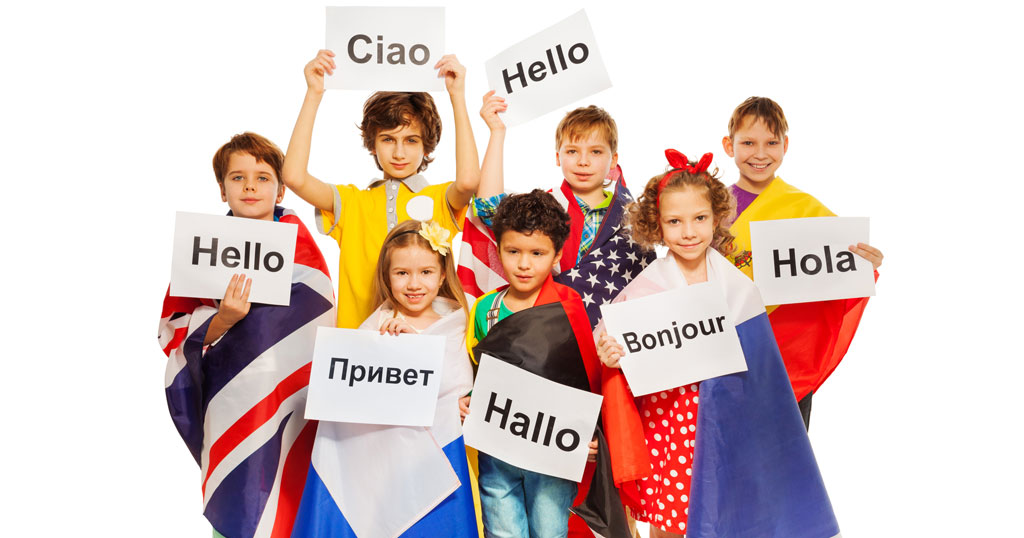
Raising bilingual or multicultural children is a journey filled with joy, challenges, and profound rewards. In the UK, where communities are rich with diverse cultures and languages, parents often navigate how best to nurture their children’s heritage while supporting their connection to British life. Balancing languages, traditions, and identities can feel complex, but it is deeply meaningful work that shapes children’s confidence, worldview, and emotional well-being.
Understanding the nuances of this experience, and taking time to reflect on how you approach it, can make a lasting impact. Let’s explore why raising bilingual and multicultural children matters, practical strategies, and gentle guidance for parents navigating this journey.
Why Bilingual and Multicultural Upbringing Matters
Every child’s experience is unique. Being raised in a bilingual or multicultural household is not only about learning words or phrases from another language, but also about understanding identity, belonging, and perspective. Children gain cognitive, emotional, and social benefits from these experiences, from improved problem-solving skills to empathy and flexibility in navigating different cultural contexts.
In the UK, children are exposed to diverse linguistic and cultural environments, whether at school, in their communities, or through media. Embracing multiple languages and cultural narratives gives children the tools to navigate these spaces confidently and to form connections across communities.
The emotional significance of cultural heritage cannot be understated. Even if children initially resist using a second language, the familiarity of songs, stories, and traditions fosters a deep sense of belonging and pride. Taking the time to reflect on your goals, values, and hopes for your child’s upbringing allows you to approach bilingualism and multiculturalism with intention rather than pressure.
Finding Your Support Network
Before embarking on this journey fully, it can be helpful to identify a support network. This might include family members, friends, community groups, or educators who value bilingual and multicultural development. Sharing experiences, strategies, and even occasional frustrations with trusted individuals can provide perspective and reassurance.
Support networks also offer practical advantages. They can help your child experience different linguistic and cultural contexts, provide consistent exposure to minority languages, and model positive attitudes toward cultural diversity. Importantly, they help parents navigate challenges, such as maintaining a home language when a child is immersed in English at school.
Even online communities and local parent groups can serve as valuable resources. They provide opportunities to exchange tips, discover bilingual books or media, and create social connections that reinforce the child’s cultural identity.
When to Begin Language and Cultural Integration
Children are naturally receptive to languages from birth. Exposure to multiple languages early on supports fluency and ease in switching between linguistic systems. That said, timing is flexible, and it is never too late to introduce cultural elements meaningfully.
Parents often wonder whether to introduce both languages simultaneously or sequentially. Both approaches can work, depending on family circumstances, consistency, and the child’s temperament. What matters most is regular, engaging exposure—through conversation, play, music, or storytelling—that makes language a living part of daily life rather than a chore.
Cultural integration can begin even before children speak fluently. Family traditions, music, festivals, cooking, and shared stories all lay the foundation for cultural fluency and pride. Let your child’s natural curiosity guide the pace, and avoid pressure to perform or translate perfectly. Consistency and warmth are more important than rigid schedules.
How to Nurture Language and Cultural Skills
You don’t need to be a professional linguist to raise bilingual children or to celebrate multiple cultures in your home. The key is creating immersive, positive, and meaningful experiences.
Start small and build gradually. You might designate specific times for the minority language, such as reading bedtime stories, labeling household items, or singing songs. Use multimedia resources—videos, music, and apps—to create fun exposure that keeps children engaged. Encouraging interactions with relatives, friends, or community members who speak the language naturally reinforces learning.
For cultural heritage, storytelling is invaluable. Share memories, family histories, or legends from your cultural background. Cooking traditional meals together, celebrating cultural holidays, and visiting local cultural events all contribute to a child’s sense of belonging and identity. Let children ask questions and express their feelings about their dual cultural experiences.
Patience is essential. There may be moments of resistance or preference for English, especially in school settings. This is normal. Gentle encouragement, modeling enthusiasm, and creating joyful, low-pressure exposure fosters long-term engagement.
Processing Challenges and Finding Guidance
Raising bilingual or multicultural children can come with emotional challenges. Parents may feel guilt when languages are not adopted equally, worry about peer pressure, or question their own fluency. Recognizing these feelings and giving yourself space to reflect is essential.
Professional guidance can help. Teachers, speech and language therapists, and cultural organizations can provide strategies and reassurance. Workshops and parent groups offer spaces to share experiences, troubleshoot challenges, and celebrate successes.
Some families find journaling helpful—documenting your child’s progress, noting cultural milestones, or reflecting on challenges. This practice can provide clarity, reduce anxiety, and help you make intentional choices that benefit your child’s development.
Prompts to Guide Your Approach
A blank page or a new phase in parenting can feel overwhelming. Consider prompts to help you think intentionally about raising bilingual and multicultural children:
Beginning at the Beginning
- Which languages do you want your child to grow up speaking, and why?
- How does your family background influence your cultural values?
- What do you hope your child gains from bilingual or multicultural exposure?
- What fears or concerns do you have about navigating this path?
Setting the Scene
- What daily routines can naturally incorporate multiple languages?
- Which cultural traditions or celebrations are most important to you?
- Who in your community or family can support language and cultural exposure?
- Are there environmental factors, like school or local language resources, that could enhance learning?
The Work of Language and Culture
- What challenges have you faced, and what strategies helped?
- How do you respond when your child resists using the minority language?
- What fun or creative methods have worked to keep language learning engaging?
- Are there special rituals, songs, or stories that resonate with your child?
Meeting Your Child’s Needs
- How do you celebrate milestones in language or cultural understanding?
- What signs indicate your child is feeling proud of their dual identity?
- How can you provide support without pressure or comparison?
- What conversations help your child express their feelings about cultural identity?
Your Journey Deserves Attention
Raising bilingual and multicultural children is deeply rewarding, though not without its moments of uncertainty. Every family’s approach will differ, and every child’s experience is unique. Honoring your child’s heritage, fostering fluency, and nurturing cultural pride takes intention, patience, and warmth.
By reflecting on your values, seeking support, and creating meaningful exposure, you provide your child with skills, confidence, and empathy that extend far beyond language. The journey may be gradual, but the rewards—connection, identity, and pride—are lasting.
Your efforts to raise bilingual and multicultural children in the UK are a gift that enriches not only their lives but your family’s story for generations to come.
Leave a Reply